VIXI · University of Victoria Computer Science PhD application
Abhikalp Unakal
Tuesday, Oct 6, 2026 Vancouver
The Brief
Building tools for creative work that make people smile
Hi Dr. Sowmya,
I love all things engineering, audio, design, and video games. I also produce original music.
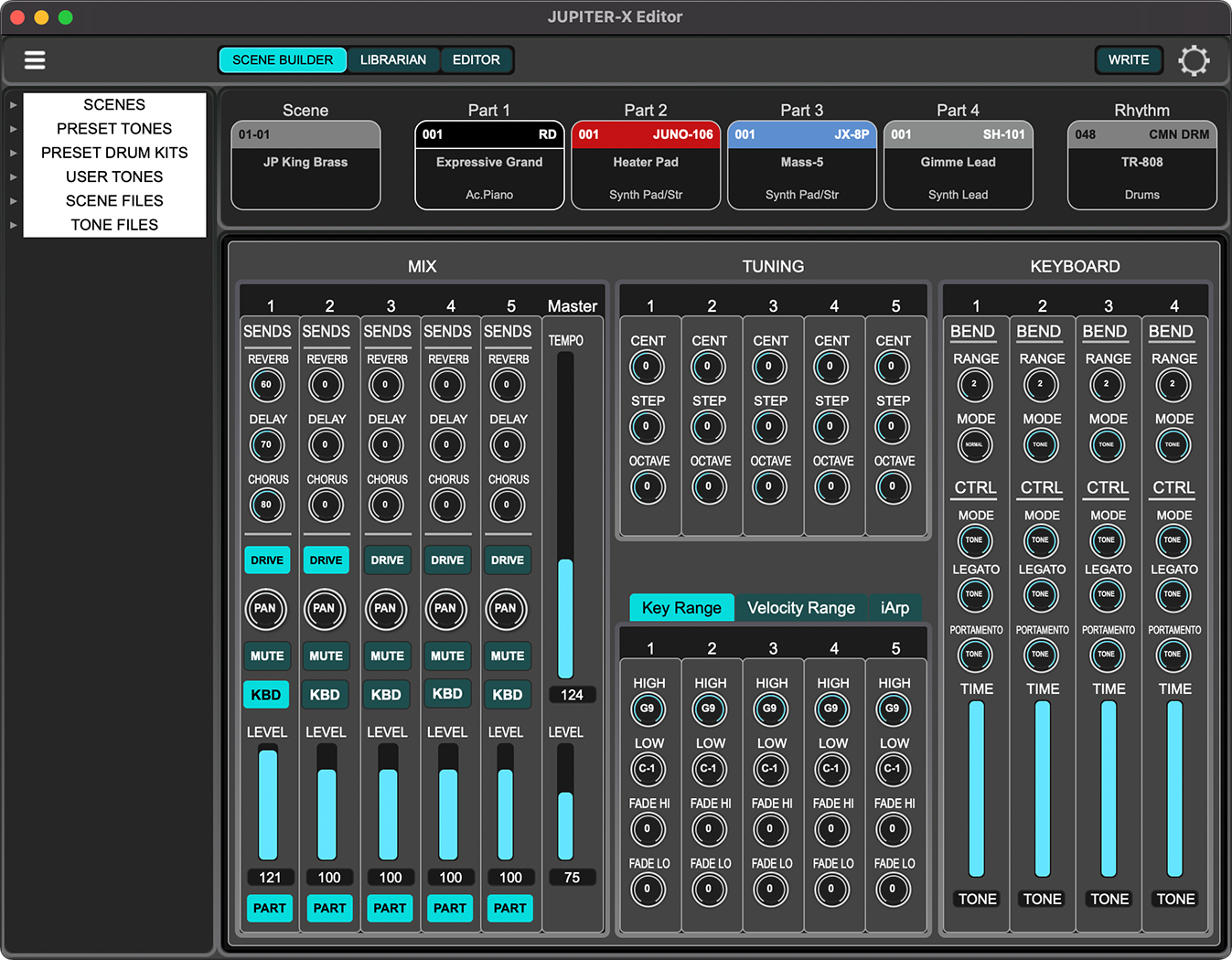
I spent five years in audio research at Meta Reality Labs, where my role was a blend of SWE and research engineer. I helped ship Conversation Focus on Ray-Ban Meta glasses, among several other projects, and also built several research prototypes. Before that I owned and shipped the UX and the layout engine for Roland’s JUPITER-X editor, a tool musicians use to interact with the complex series of JUPITER synths by Roland. My first foray with design began way back in 8th grade, when I was the runner-up at the National Institute of Design’s all-India competition to design something unique for students.
I’m applying for the PhD position open at your lab (VIXI). I believe, given the requirements you’re looking for, there is a strong fit, and I have several research ideas under the same broad umbrella that would be quite interesting to explore. These ideas revolve around music and social networks, especially collaborative music technologies that could bring a sense of joy to musicians and non-musicians alike. Happy to talk more about how I could contribute to your lab and research efforts.
Shipped at Meta Reality Labs. The glasses amplify the person you are talking to in noise, so a conversation in a restaurant or on a street stays with the people in it. I was responsible for the tuning systems and the real-time telemetry from the glasses, which let us visualize the frequency response curves for the entire signal chain and tune, in real time, different parameters of the signal chain on the glasses. These same tools and systems I built were used to conduct A/B testing with users before converging on ideal parameters to improve sound quality and speech intelligibility.
Roland Cloud editor and librarian for the JUPITER-X. Scene builder, part editor, mixer, and a drag-and-drop librarian for tones. I designed the UX and built the programmatic auto-layout engine so a player can manage a sound profile and other transport controls without fighting the panel or the complex hardware-driven UX.
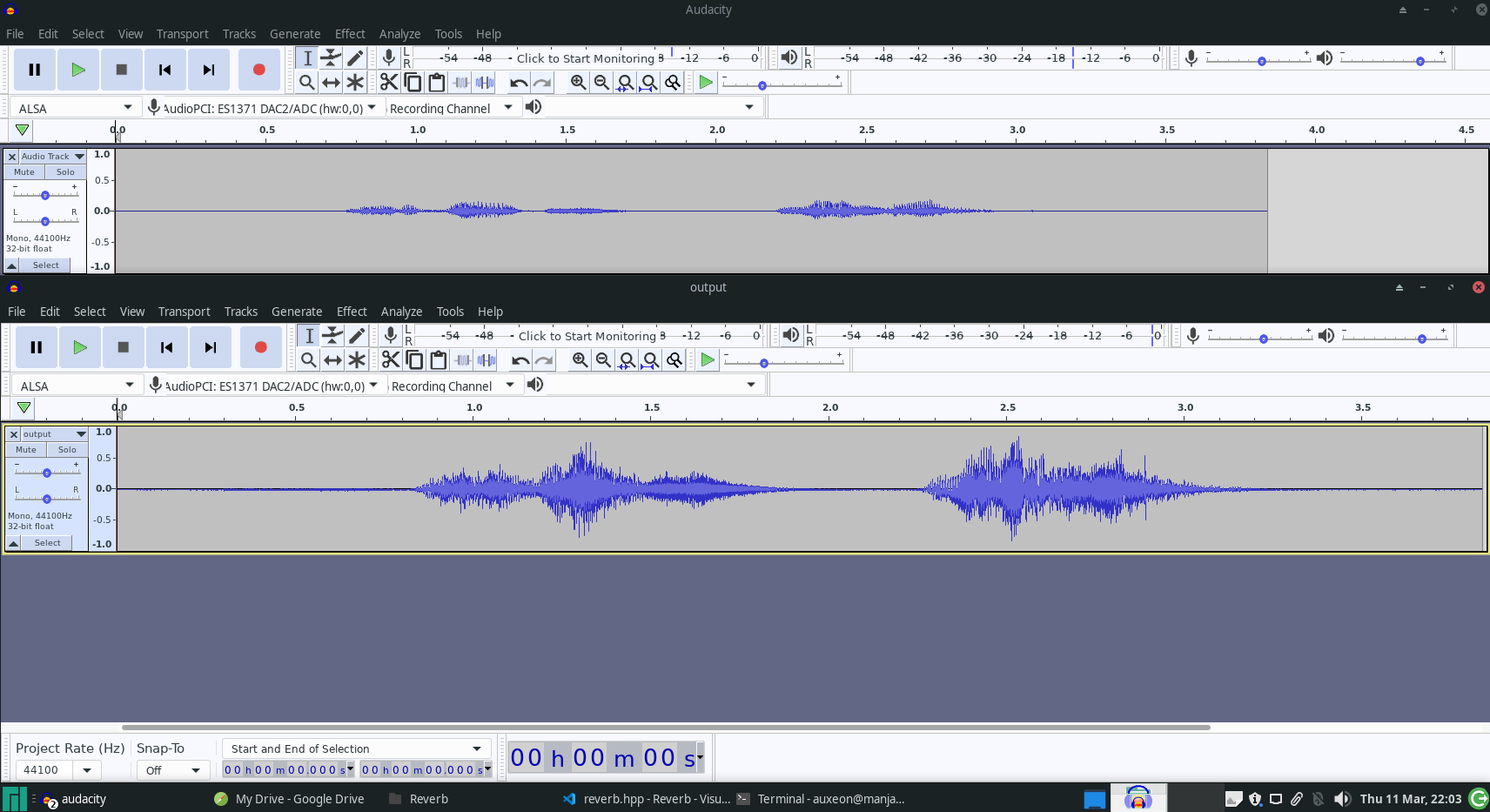
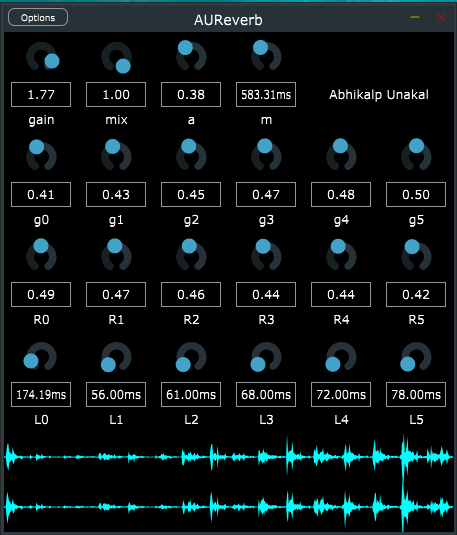
James A. Moorer’s reverb paper, implemented from scratch in C++ and JUCE as a VST that runs in a DAW. A project I’m proud of shipping at DigiPen as a student, since it was mathematically the hardest course I took. I received a 105/100 for this course because I went beyond the final project requirements and added a bunch of extra features.
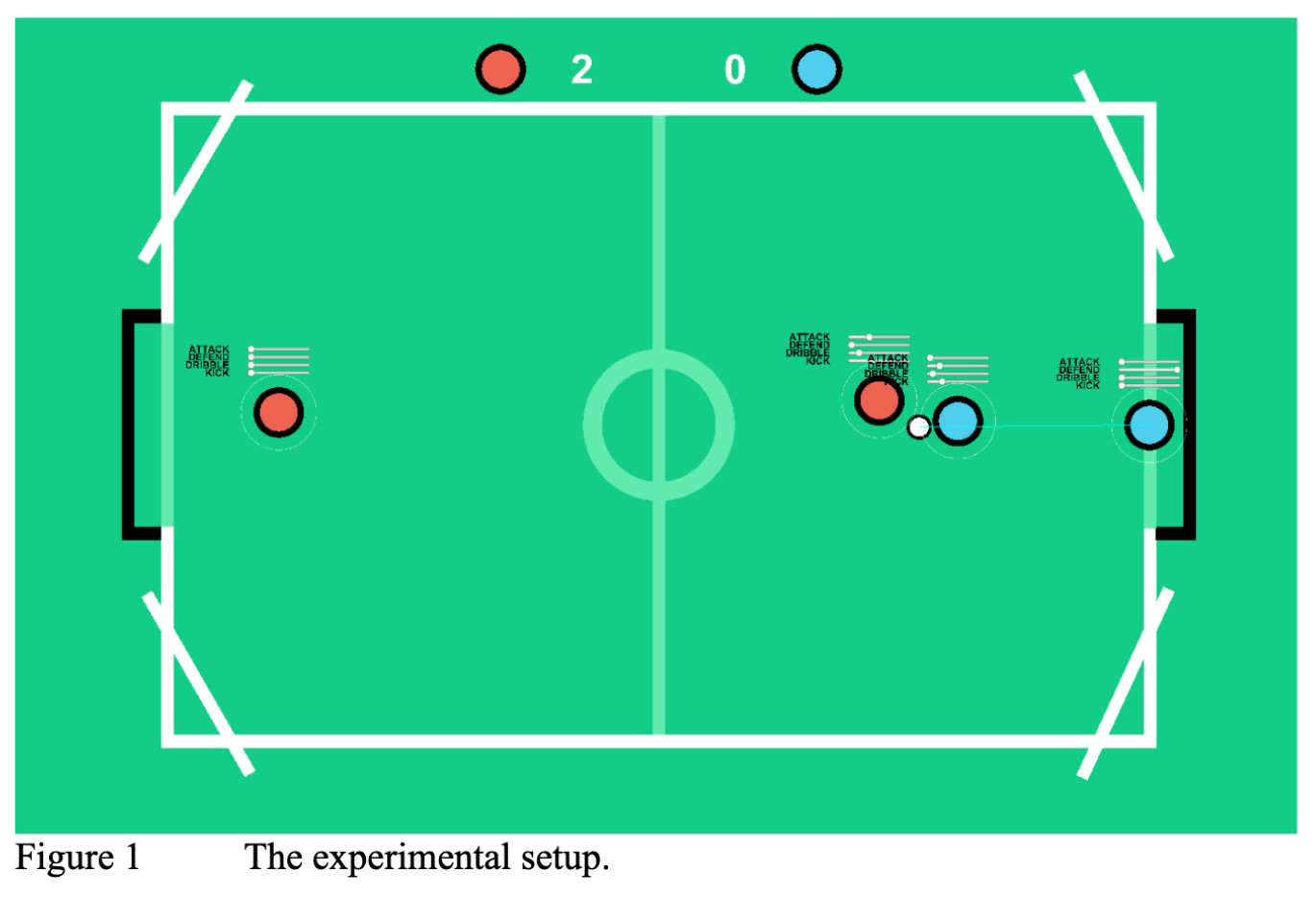
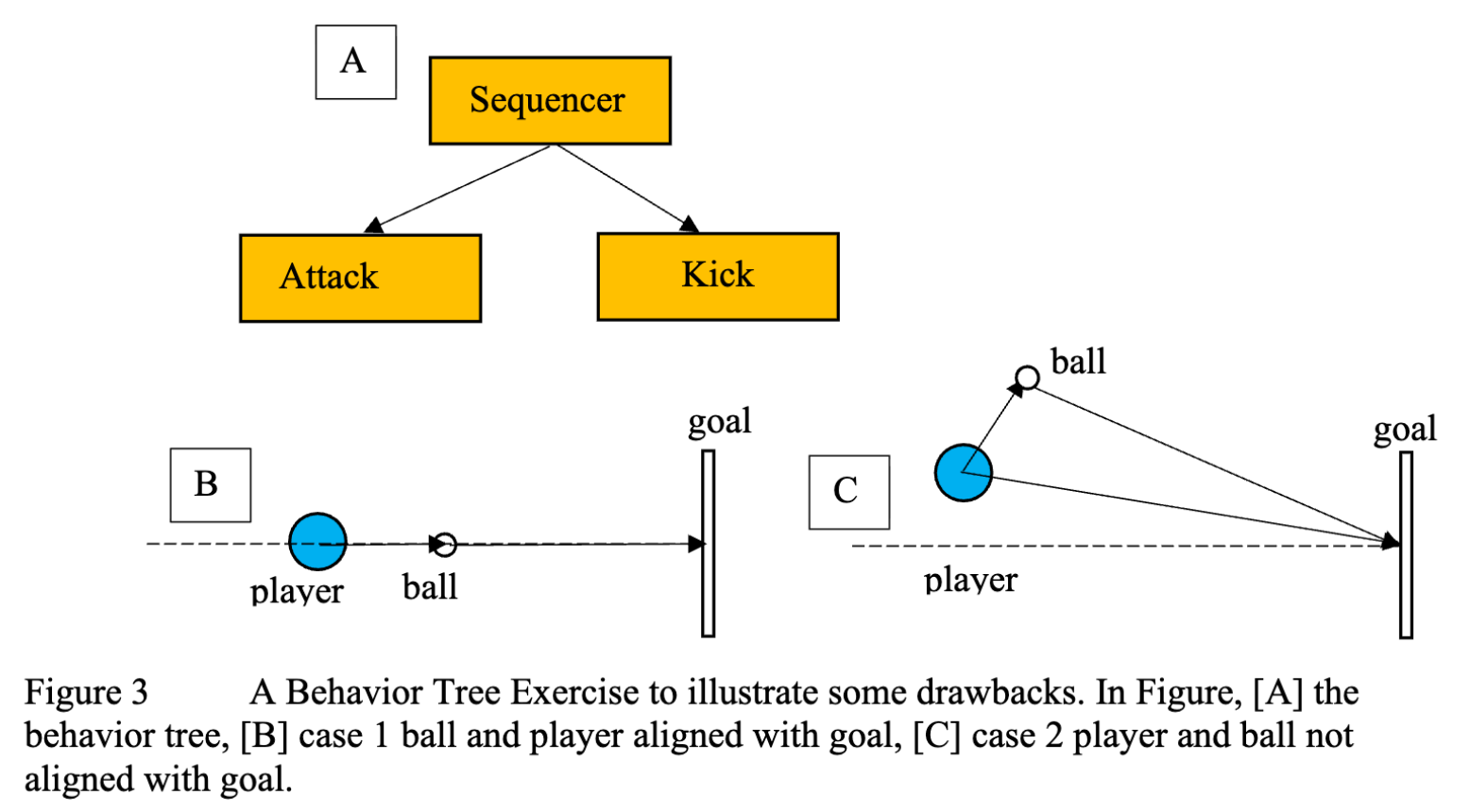
A 2D football simulation built in C# and Unity using utility-based behavior trees, simply because of my love for the game. This was original research work I did while at DigiPen, where I spent the better part of a semester studying football game dynamics, physics, and game tactics from first principles and figured out how to mathematically model football so that I could give the computer actuator knobs to attack, defend, dribble, and kick. These behaviors come from custom hand-tuned objective functions that can be dynamically modified, rather than a hard-coded football AI. I conducted independent research simulating, from physics first principles, what happens in a game of football. I reached out to several professors across the world with questions when I’d get stuck, and finally I built a product and tested it against some of my FIFA maniacs, who said the AI was quite impressive for a one-man project and in some situations better than the original game AI. There’s also a YouTube video of me explaining what I built above.
Video Games
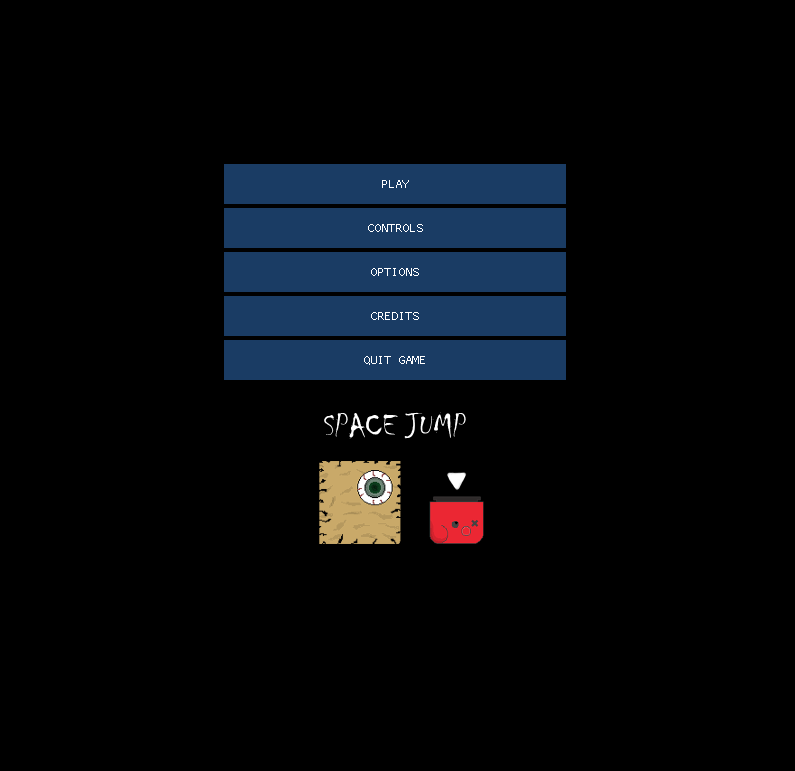
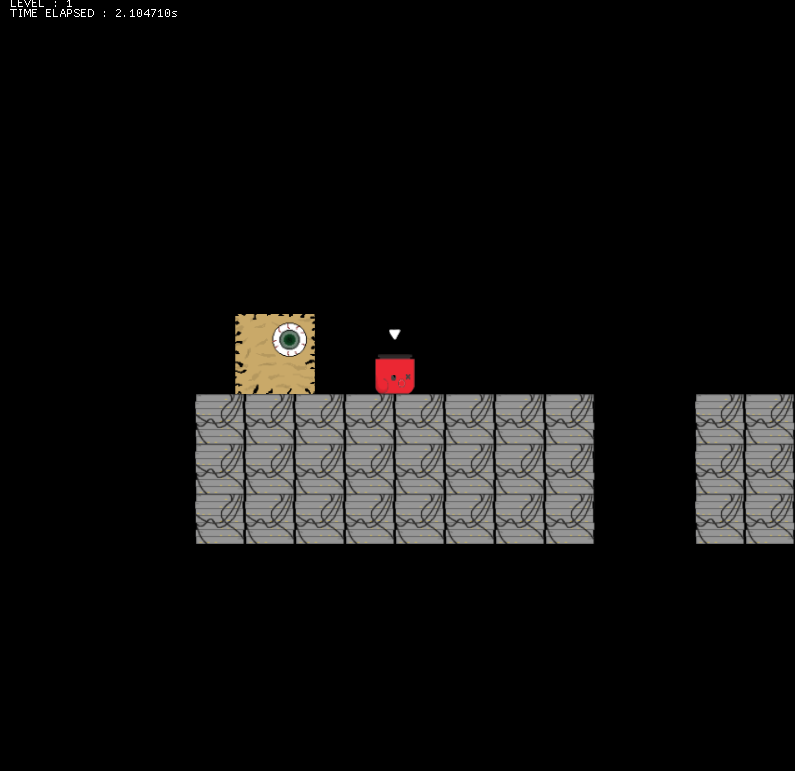
Space Jump, 2D puzzle platformer powered by original game engine Atom
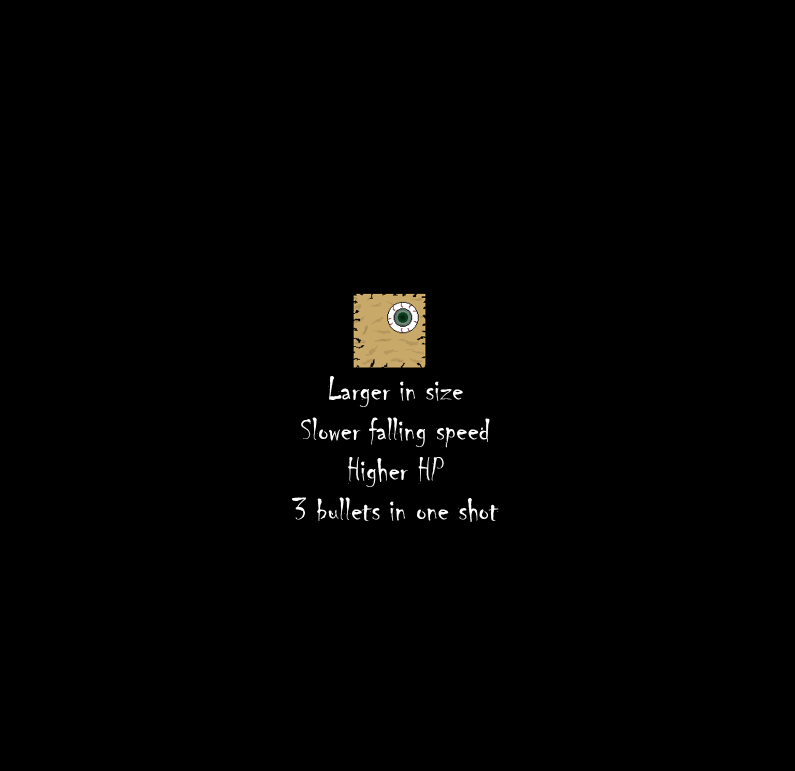
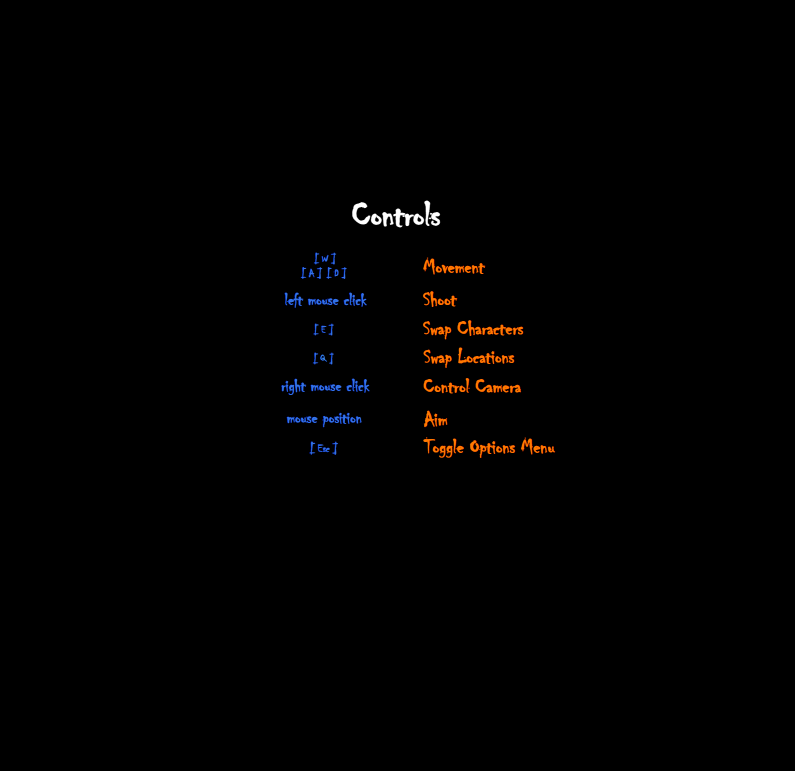
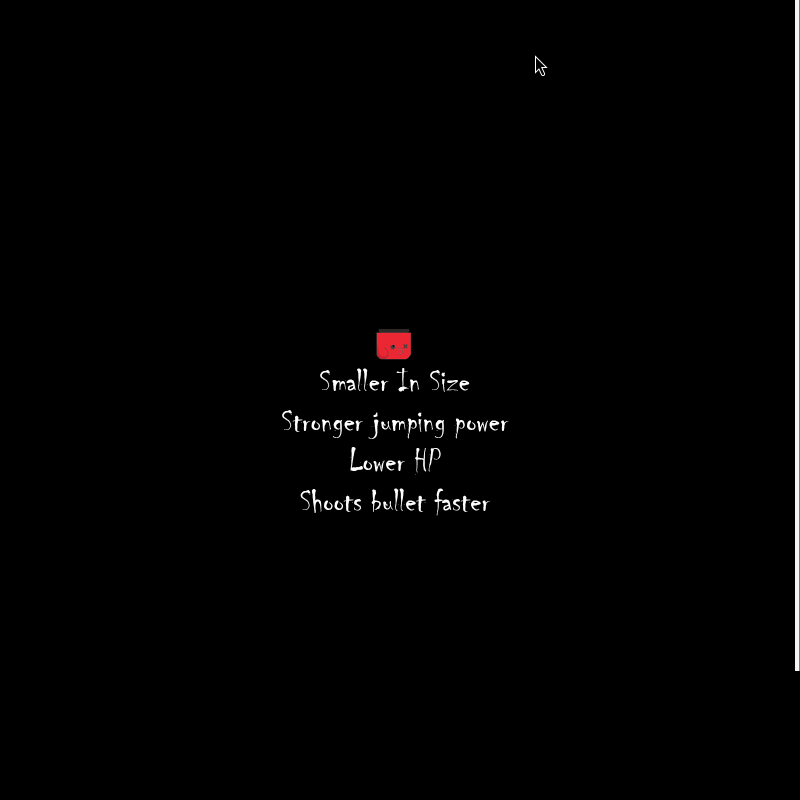
I was director and producer of Space Jump, a 15-level spatial puzzle with a teleport mechanic, powerups, and boss fights. I was also tech lead on Atom, the C++ engine it runs on, with three other engineers. The engine featured 3D spatial audio, an event system, and a highly efficient and memory-dense ECS. Super proud of this project, as it was the first game team that I led. Not only did we ship an entire game from scratch, but I also architected and built an entire custom game engine from scratch. It was the first time I conducted user playtesting and observed the unique ways in which people would play the levels or get stuck at harder puzzles, which provided us with useful signals on how to modify the difficulty curve for the level progression.
Music
Here are a few of my original compositions and covers. You can find more of my music on SoundCloud as [abhikalp-unakal].
Education
M.S. Computer ScienceDigiPen Institute of Technology
Architected metrics and telemetry for the glasses and research prototypes. Live tuning of DSP parameters. Moved the team from monthly checks to continuous hourly validation. C++, C#, Python.
Led a petabyte-scale multimodal collection warehouse: custom networking, hardware, several sensor types, motion capture, metrics, and telemetry into deep-learning annotation pipelines.
Built a C++/ImGui audio-graph visualizer that generates DSP pipeline diagrams, like Blueprints for an embedded signal chain, and flags breaks before they ship.
Upgraded unidash from 1D to N-dimensional plotting in Python and Hack, so frequency-response curves became a first-class view for about 80,000 engineers.
Built the packaging and licensing layer that let Matlab research code run in the cloud, so research and product could check feature parity.
Ran a research experiment on the capture rig: a C# and Unity hardware-validation system that tracks head pose, azimuth and elevation, with a fine-tuned YOLOv3 model. It aligns video frames for photogrammetry and removes the need for a research assistant to position the participant by hand.
Software Engineering Intern, Roland Corporation US
2020–2021 · Redmond
Led UX engineering on the Roland Cloud editor team. Designed the interaction and built a programmatic auto-layout engine for the [JUPITER-X editor], so players can manage sound profiles.
Software Engineer, Danske Bank
2016–2019 · Bengaluru · Copenhagen
I worked as a platform engineer for the advanced analytics and platform team at Danske Bank, building deployment pipelines for credit-risk machine learning models in Spark, and a custom heartbeat layer plus CI/CD in Jenkins on a Hadoop cluster and Linux boxes, so regressions were caught before the bank’s customer-facing teams flagged them.
Transcripts
Unofficial transcripts are in this folder. Please request viewer access here [Google Drive].